Chimeric Antigen Receptor T‑cell (CAR‑T) therapy is one of the most advanced forms of modern cancer treatment. It is a personalized immunotherapy that uses a patient’s own immune cells to identify and destroy cancer cells.
Unlike traditional treatments such as chemotherapy or radiotherapy, CAR‑T therapy reprograms the body’s T‑cells to recognize specific markers on cancer cells and attack them directly. This innovative approach has transformed treatment options for many patients who have not responded to conventional therapies.
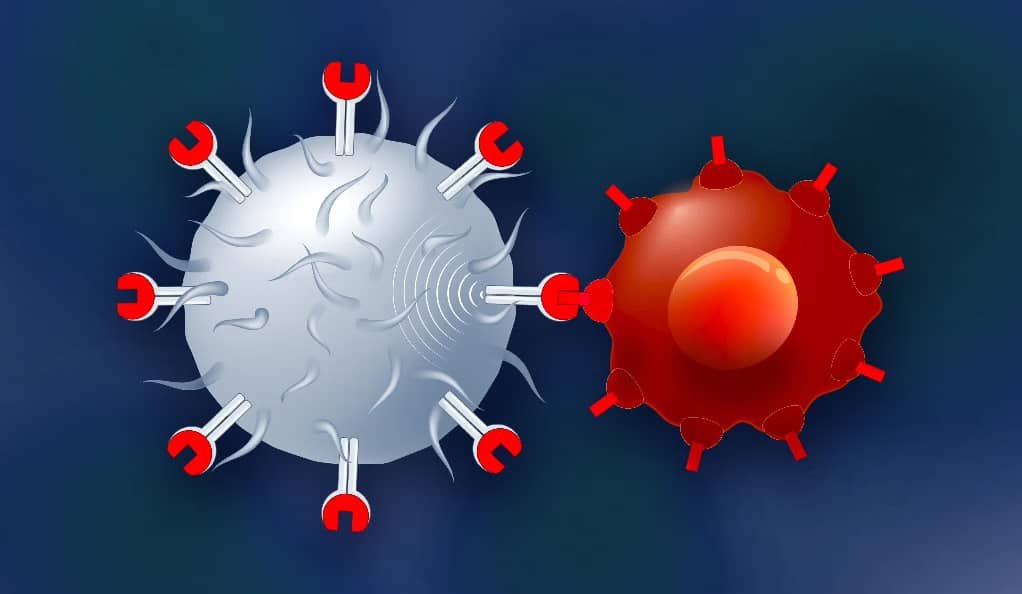
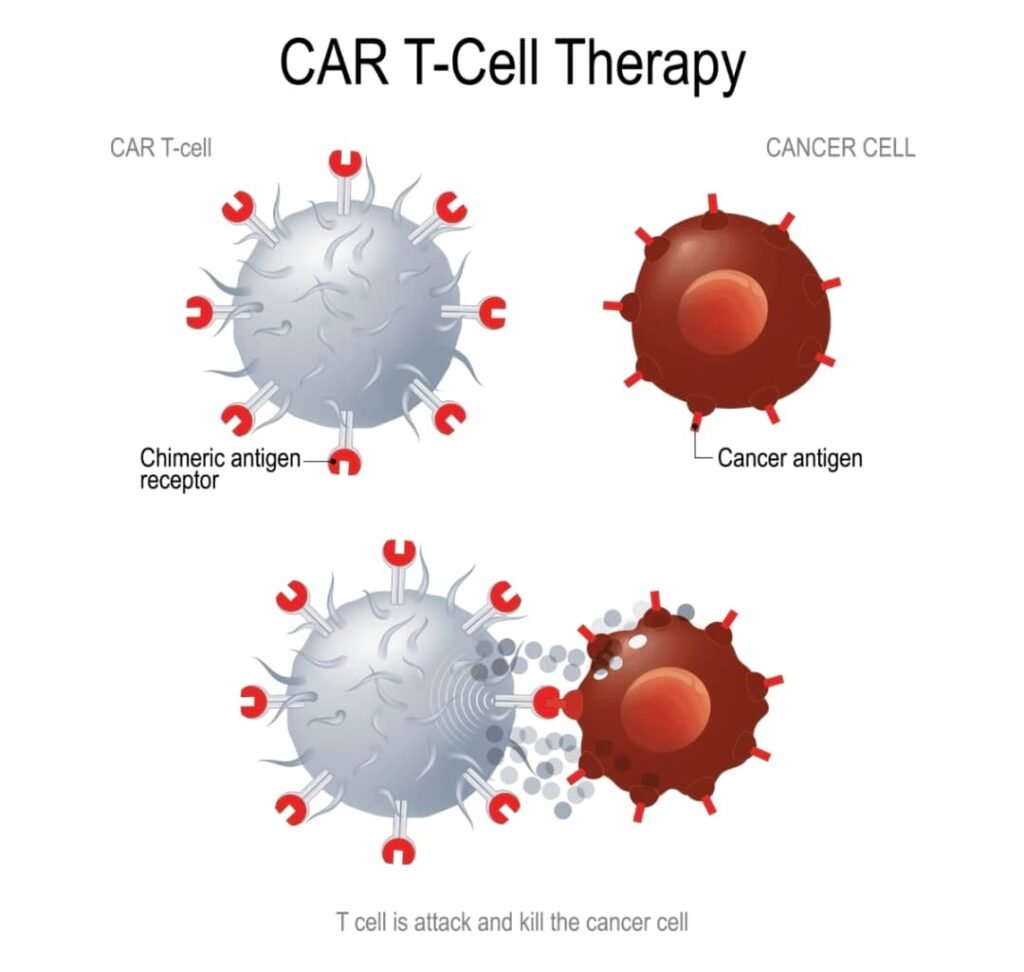
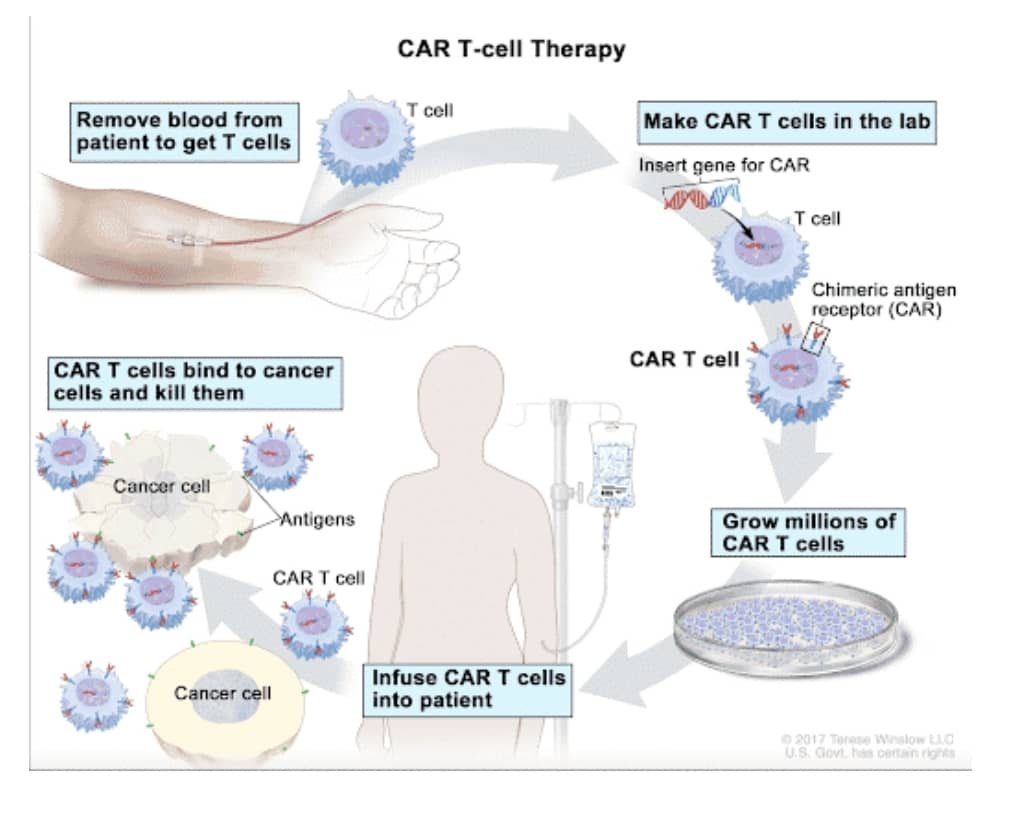
CAR‑T cell therapy involves collecting T‑cells from the patient’s blood and genetically modifying them in a laboratory. These modified cells are engineered with a special receptor called a Chimeric Antigen Receptor (CAR).
The CAR allows T‑cells to recognize specific proteins (antigens) found on cancer cells. Once these engineered cells are infused back into the patient, they multiply and actively search for cancer cells carrying the targeted antigen. When CAR‑T cells encounter these cancer cells, they attach to them and trigger an immune response that destroys the malignant cells.
The CAR‑T treatment process typically involves several stages:
Because the therapy uses the patient’s own immune cells, it represents a highly personalized approach to cancer treatment.
GoBroad Healthcare Group Hospital in China is recognized as one of the leading centers in the world for CAR‑T therapy. The hospital has extensive experience in cellular immunotherapy and has developed highly specialized CAR‑T programs targeting multiple cancer markers.
One of the major advantages of this center is its capability to target multiple CD antigens such as CD19, CD20, CD22, CD7, and CD17 depending on the cancer type. These targets allow physicians to design personalized CAR‑T therapies for different blood cancers and emerging solid tumor applications.
The hospital operates advanced cellular laboratories, specialized oncology teams, and integrated research programs dedicated to improving outcomes for patients with complex cancers.
CAR‑T therapy requires sophisticated laboratory infrastructure, strict regulatory frameworks, and highly trained clinical teams.
Many countries are still developing the capability to manufacture personalized CAR‑T cells within a controlled environment. Some regions only provide a limited number of CAR‑T targets, commonly CD19 for certain leukemias and lymphomas.
However, advanced centers such as GoBroad Healthcare Group Hospital have expanded research programs that explore additional targets and combination approaches. This expanded capability allows physicians to treat patients who may not respond to standard CAR‑T protocols offered elsewhere.
Patients may explore CAR‑T therapy for several reasons:
CAR‑T therapy has shown strong clinical impact in several hematological cancers including:
In some patients who previously had limited treatment options, CAR‑T therapy has enabled deep responses and long‑term disease control.
One of the most exciting developments in cellular immunotherapy is the exploration of CAR‑T therapy for solid tumors.
Researchers at advanced centers such as GoBroad Healthcare Group Hospital are investigating CAR‑T applications for cancers including gastrointestinal tumors. These developments are part of ongoing clinical research aimed at expanding the role of CAR‑T therapy beyond blood cancers.
Although this field continues to evolve, it represents an important frontier in cancer treatment.
Patients seeking advanced CAR‑T therapy often travel to specialized international centers where comprehensive cellular therapy programs are available.
These centers provide multidisciplinary oncology teams, advanced laboratories, and integrated patient support systems. Through international medical coordination services such as MediAssist Penang, patients can receive guidance on evaluation, treatment planning, and hospital coordination with leading global CAR‑T centers.

MediAssist Penang is a doctor-led international cancer referral platform connecting patients to top hospitals and leading oncology specialists worldwide. We specialize in advanced and non-invasive cancer treatments, offering hope for Stage 3, Stage 4, and complex cancer cases.
+60 13 675 8556
2194,jalan Bukit minyak, kawasan perniagaan asas murni, Bukit mertajam, penang 14000
WhatsApp Us