
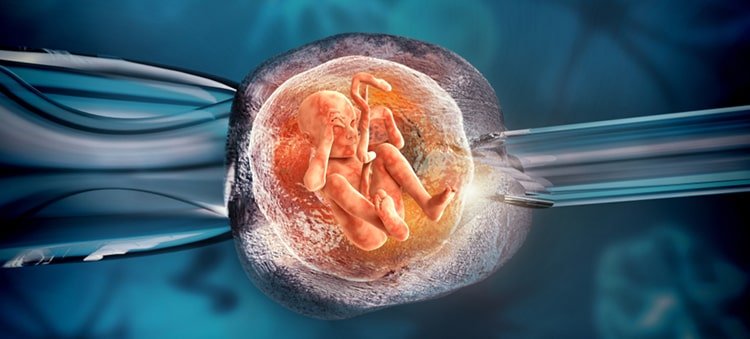
In Vitro Fertilization (IVF) is an advanced fertility treatment that helps couples achieve pregnancy when natural conception is difficult. During IVF, eggs are collected from the woman’s ovaries and fertilized with sperm in a specialized laboratory.
The resulting embryo is then transferred into the uterus to establish pregnancy. IVF is widely used around the world and has helped many individuals and couples overcome fertility challenges and build their families.
IVF may be recommended for individuals or couples experiencing fertility difficulties such as:
Many modern fertility centers use advanced reproductive technologies to support IVF treatment, including:
MediAssist Penang collaborates with internationally recognized fertility specialists and modern IVF centers equipped with advanced reproductive laboratories.b These centers provide:
MediAssist Penang assists international patients by coordinating every stage of the treatment process. Our services include:
IVF treatment is performed through several carefully coordinated stages.
Hormone medications are given to stimulate the ovaries to produce multiple eggs during one cycle.
Doctors monitor the response through ultrasound scans and blood hormone tests to determine the best time for egg retrieval.
When the eggs are mature, they are collected through a procedure called oocyte retrieval.
The eggs are immediately transferred to the laboratory for fertilization.
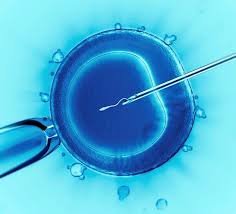
The collected eggs are combined with sperm in the embryology laboratory.
Two main techniques may be used:
After fertilization, embryos are cultured in the laboratory for several days while specialists monitor their development.
Embryologists evaluate the embryos and select the most suitable embryo for transfer. Some centers also use advanced technologies such as:
The selected embryo is gently transferred into the uterus using a thin catheter.
The procedure is simple and usually does not require anesthesia. After the transfer, patients can generally return to normal daily activities while waiting for the pregnancy test.

MediAssist Penang is a doctor-led international cancer referral platform connecting patients to top hospitals and leading oncology specialists worldwide. We specialize in advanced and non-invasive cancer treatments, offering hope for Stage 3, Stage 4, and complex cancer cases.
+60 13 675 8556
2194,jalan Bukit minyak, kawasan perniagaan asas murni, Bukit mertajam, penang 14000
WhatsApp Us