Robotic surgery is one of the most advanced developments in modern medicine. It combines the expertise of highly trained surgeons with robotic technology, high‑definition imaging,
and precise instrument control. Robotic-assisted procedures allow surgeons to perform complex operations with greater accuracy, smaller incisions, and improved patient outcomes. Today, robotic surgery is used in many medical specialties including spine surgery, neurosurgery, ENT (ear, nose, and throat), urology, gynecology, general surgery, and cancer treatment.
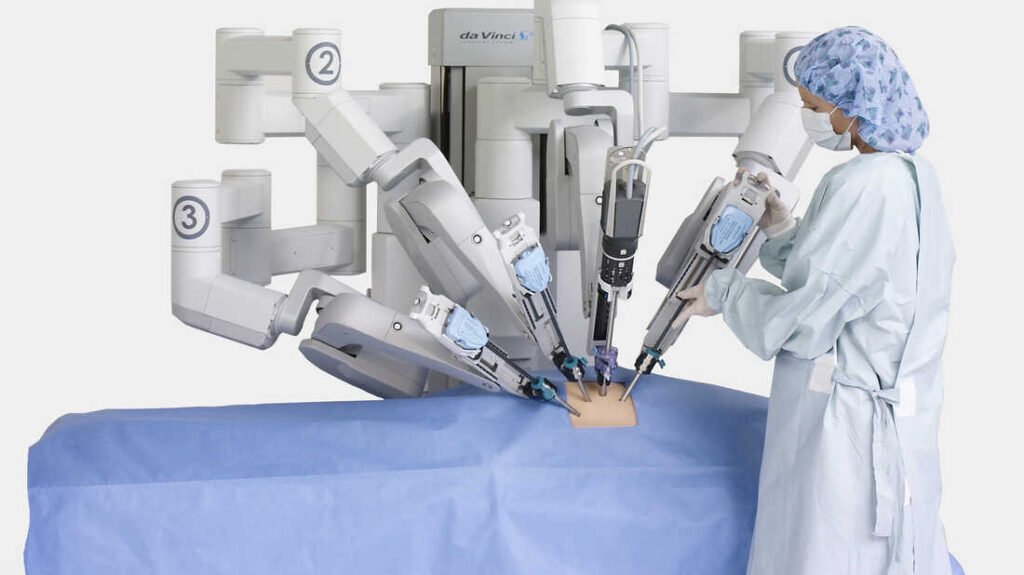
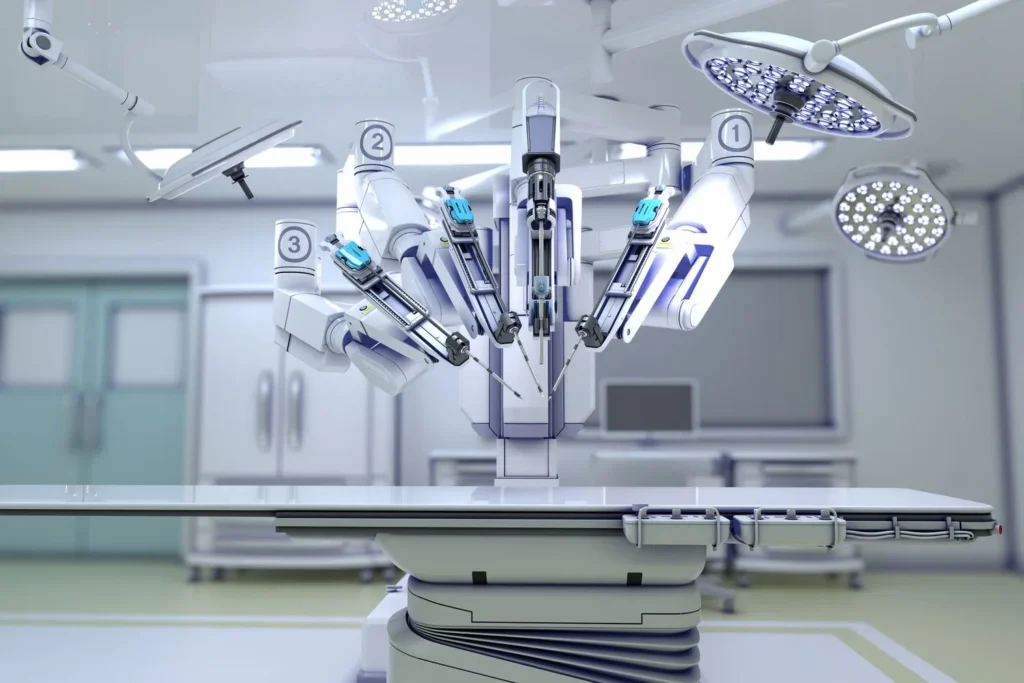
Robotic surgery, also known as robotic‑assisted surgery, uses a robotic system that helps surgeons perform procedures with enhanced precision and control. The robotic system does not operate independently. Instead, it is fully controlled by the surgeon through a specialized console.
During the procedure, the surgeon views a high‑definition 3D image of the surgical area and controls robotic arms that hold very small surgical instruments. These instruments can move with greater flexibility
than the human hand, allowing extremely precise surgical movements.
Robotic-assisted surgery is widely used in different areas of medicine:
Robotic surgery usually involves several key stages:
Not all patients require robotic surgery. The suitability of robotic-assisted procedures depends on the patient’s condition, overall health, and the type of surgical treatment required.
A specialist doctor will evaluate the patient’s medical history, imaging results, and treatment goals before recommending whether robotic surgery is the most appropriate option.
Robotic-assisted procedures offer many advantages compared to traditional open surgery:
Recovery varies depending on the type of surgery performed. However, many robotic procedures allow patients to recover faster than traditional open surgery.
Smaller incisions typically mean less pain, lower infection risk, and quicker return to normal activities.
Patients are usually encouraged to begin gentle movement shortly after surgery and follow their doctor’s
guidance regarding physiotherapy or rehabilitation when necessary.

MediAssist Penang is a doctor-led international cancer referral platform connecting patients to top hospitals and leading oncology specialists worldwide. We specialize in advanced and non-invasive cancer treatments, offering hope for Stage 3, Stage 4, and complex cancer cases.
+60 13 675 8556
2194,jalan Bukit minyak, kawasan perniagaan asas murni, Bukit mertajam, penang 14000
WhatsApp Us